May 11, 2026
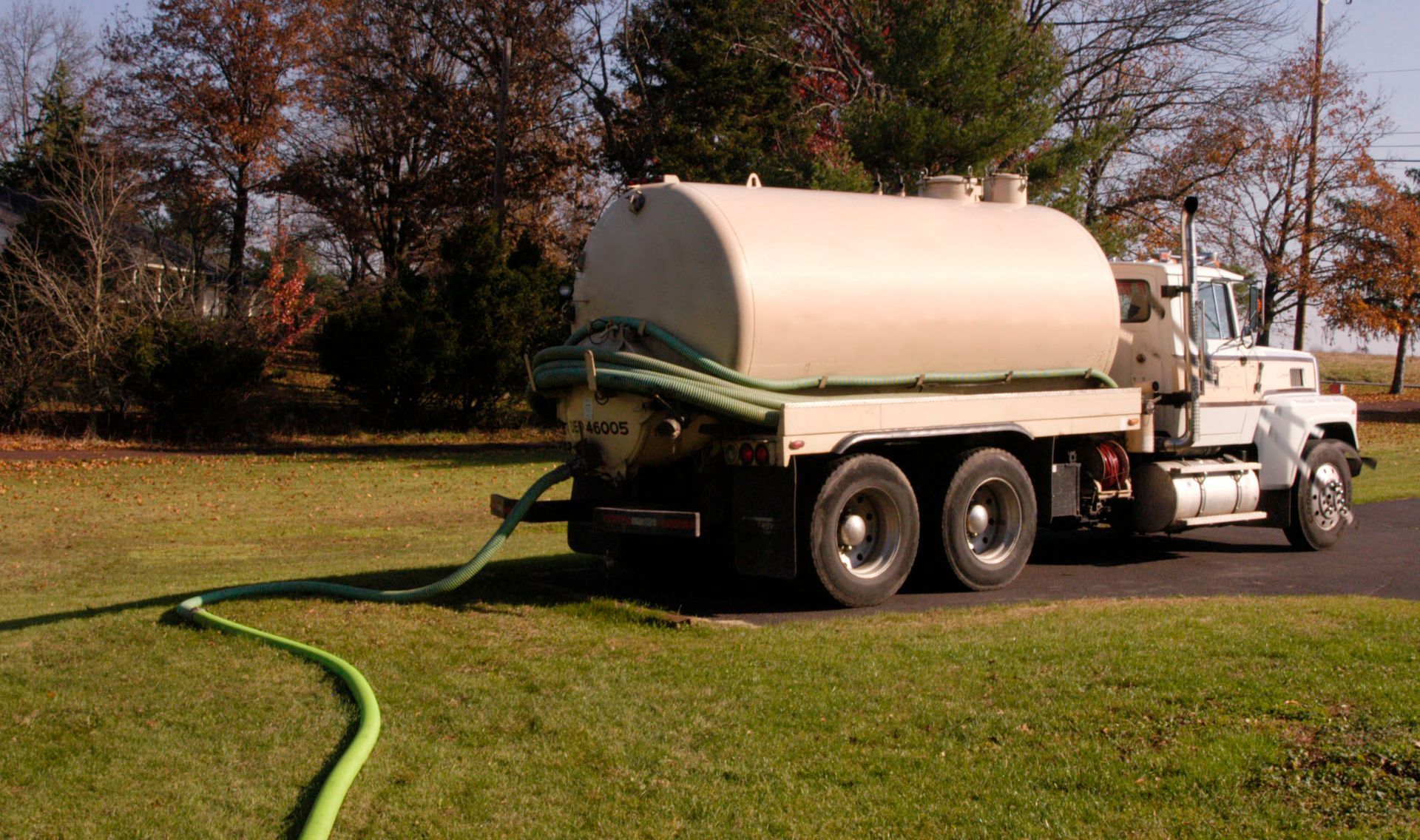
According to This Old House, septic tanks can typically hold more than 1,000 gallons of waste. While that sounds like a lot, a busy household can fill that space faster than you might think. Scheduling a regular septic tank pumping service prevents the tank from reaching its limit and keeps the entire system functional. Understanding the cycle of your septic system can help you maintain a healthy home environment. Seeking professional help for maintenance is the only way to keep the system running smoothly over the long term.
Monitoring Drain Speeds
One of the first signs that your system is getting full is a change in how your drains behave. If you notice that the water in your sink, bathtub, or shower is taking longer to disappear, it might not just be a simple clog in the pipe. When the tank is reaching its capacity, there is less room for new water to enter. This creates back pressure that slows down the flow of water throughout the house. If multiple drains are slow at the same time, it is a strong indicator that the issue is at the source.
Slow drains are often ignored or treated with liquid cleaners, but these do not solve the underlying problem if the tank is full. If the water starts to gurgle or bubble when you run the dishwasher or laundry, the system is struggling to breathe. This is a clear signal to call for professional help. A team can perform septic tank pumping to clear out the accumulated sludge and restore the proper flow of water. Catching this early prevents the water from eventually stopping altogether.
Smelling Foul Odors
A healthy septic system should not produce noticeable smells inside or outside the home. The gases created by the waste are usually vented safely away. However, when the tank is overdue for service, these odors can become trapped or forced back into the house. If you start to notice a persistent smell of rotten eggs or raw sewage near your drains or in your yard, the system is likely overloaded. These smells are more than just a nuisance; they indicate that the waste is not being processed correctly.
Outside the home, the smell might be stronger in the area where the tank is buried. This happens when the gases escape through the soil because the tank is too full to contain them. Odors can also get worse after a heavy rain or when you are using a lot of water, such as during a holiday with guests. Ignoring these smells will not make them go away. Seeking professional help as soon as you detect a foul scent is the best way to address the root cause and keep your property smelling fresh.
Observing Lush Grass
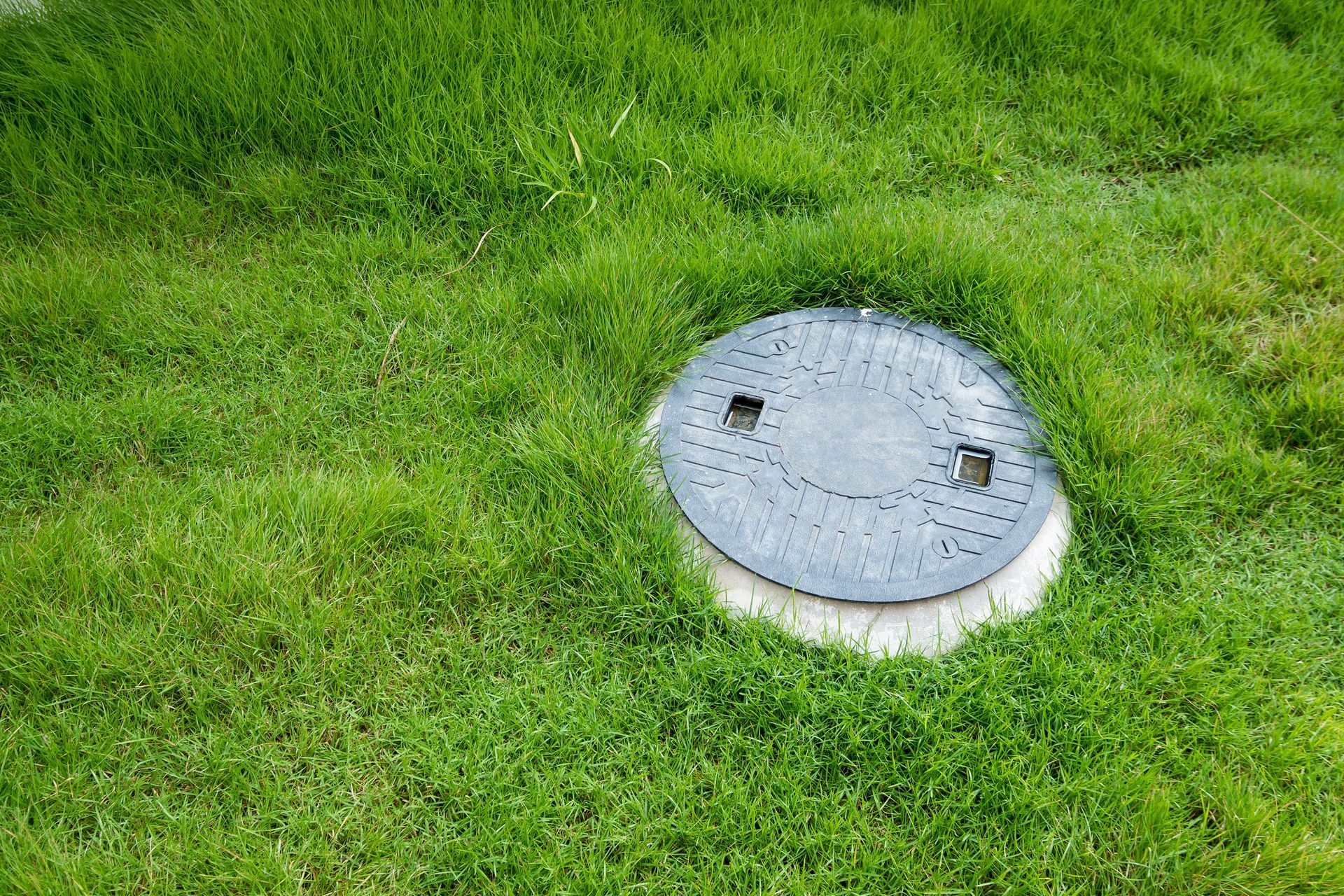
It might seem strange, but a very green patch of grass in your yard can be a warning sign. The area where the waste liquid is filtered into the ground is called the drain field. If the tank is full or failing, extra liquid and waste can leak out into this area. This provides an unnatural amount of fertilizer to the grass above it. If you see a specific spot in your yard where the grass is much taller, greener, and thicker than the rest of the lawn, it usually means the system is leaking.
This extra growth often happens directly over the tank or along the pipes of the drain field. While a beautiful lawn is usually a good thing, this localized growth indicates that the soil is being overwhelmed by moisture and nutrients that should stay inside the system. Eventually, this can lead to the ground becoming soft or spongy. When you notice these changes in your landscape, it is time to arrange for septic tank pumping to bring the levels back down to a safe range.
Noticing Standing Water
If the green grass is ignored, the next stage is often the appearance of puddles. Standing water in the yard when it has not rained is a major red flag for any property with a septic system. This happens when the liquid has nowhere else to go because the tank and the soil are completely saturated. This water is often smelly and can be a health hazard for pets and children. Standing water means the system has reached a point of failure and needs immediate attention.
When liquid starts to emerge on the surface, the natural filtering process of the soil has stopped working. This can lead to contamination of the surrounding area. Professionals have the tools to evaluate why the water is pooling and can perform the necessary septic tank pumping to relieve the pressure. This is a situation that requires a quick response to prevent the waste from backing up into the house or causing permanent damage to the yard.
Hearing Unusual Noises
Your plumbing should be relatively quiet when it is working correctly. If you start to hear sounds coming from the pipes, it is a sign that air is being trapped. This often happens when the tank is so full that the incoming wastewater is hitting a wall of sludge. The air bubbles are forced back up the pipes, creating those strange sounds in your toilets or sinks. It is the system's way of telling you that it is running out of space.
These noises are often most noticeable right after you flush a toilet or when the washing machine is draining. If the sounds are consistent, the tank is likely at its maximum capacity. Seeking professional help to inspect the vents and the tank level is the right move. By scheduling septic tank pumping when these noises first start, you can avoid the more serious symptoms of a system backup.
Tracking Service Intervals
Sometimes the best way to know it is time for service is simply by looking at the calendar. You should not wait for a problem to appear before you take action. Depending on the size of your household and the size of your tank, you will need maintenance every few years. Keeping a record of when the system was last serviced is a vital part of property management.
If you have moved into a new home and do not know when the last service was performed, it is best to start fresh. Professionals can look at the current levels and give you a recommended schedule for the future. Regular septic tank pumping is much cheaper and less stressful than dealing with an emergency repair in the middle of the night. Being proactive and following a routine schedule is the most effective way to protect your home and the environment.
Preventing System Backups
The ultimate goal of monitoring your system is to prevent a backup inside the house. A backup occurs when the waste has absolutely nowhere else to go and begins to flow backward through the lowest drains in the home. This usually starts in the basement floor drains or tubs. This is a messy and unhygienic situation that requires professional cleaning and repair. By paying attention to slow drains, odors, and yard changes, you can stop a backup before it starts.
Backups are often caused by a combination of a full tank and a sudden increase in water usage. If you are planning to have guests stay over or are doing a lot of cleaning, it puts extra stress on the system. If the tank is already near its limit, that extra water can push it over the edge. Scheduling septic tank pumping before big events or when you see the first warning signs is a smart way to manage your home.
Maintaining a septic system is all about being aware of small changes. Whether it is a slow sink or a patch of green grass, being aware of these signs is crucial. Seeking professional help for these tasks keeps your home safe and saves you from the headache of a major failure. It is a small investment that protects one of the most important parts of your property. When you need to keep your septic system running perfectly, call Small Town Septic to schedule your next septic tank pumping today.