March 13, 2026
A properly functioning septic system is essential for maintaining a safe and healthy home environment. Unlike municipal sewer systems, septic systems require regular care and maintenance from homeowners to ensure they continue working efficiently. Without proper attention, issues such as slow drainage, unpleasant odors, or even costly system failures can occur.
Many homeowners do not realize that simple maintenance habits can significantly extend the life of a septic system. According to the EPA, septic tanks will last around 50 years when properly maintained. Taking preventative steps such as scheduling local septic pumping, monitoring water usage, and protecting the drain field can help homeowners avoid expensive repairs while keeping their system functioning effectively for decades.
Schedule Regular Septic Pumping Services
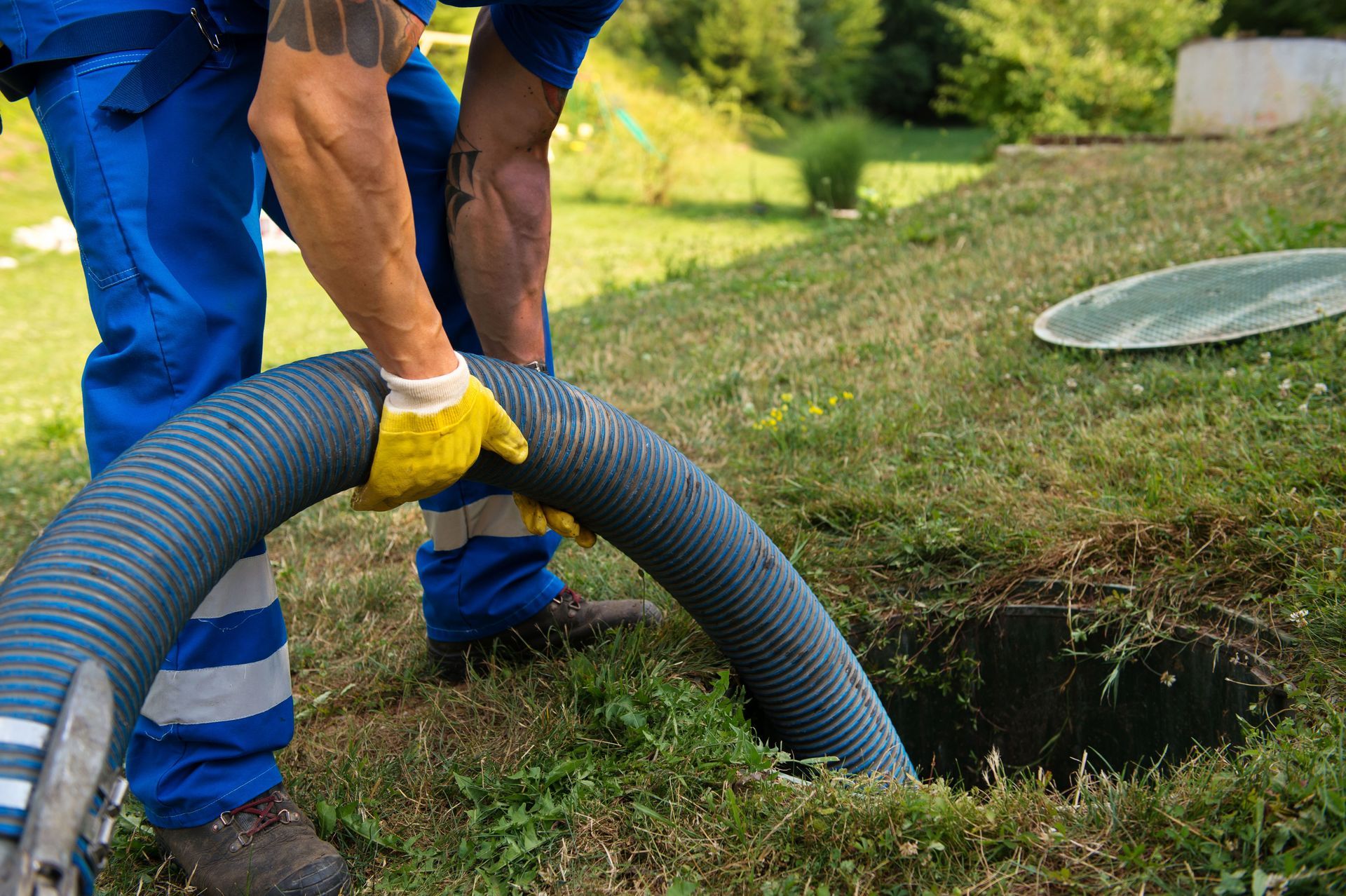
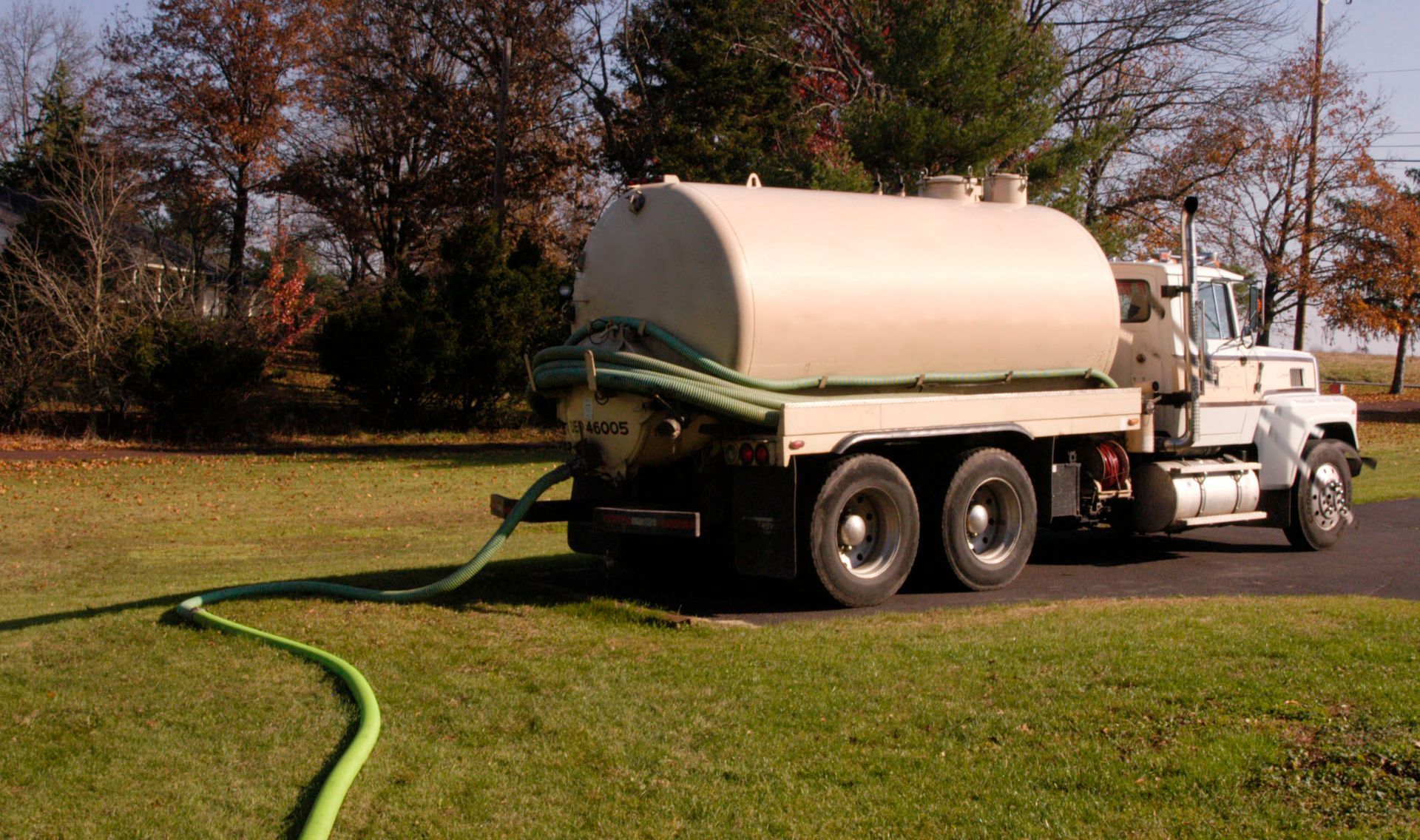
One of the most important steps in maintaining a septic system is scheduling regular pumping services. Over time, solid waste accumulates in the septic tank and must be removed to prevent overflow and system failure. Without routine pumping, these solids can move into the drain field and cause significant damage that is expensive to repair.
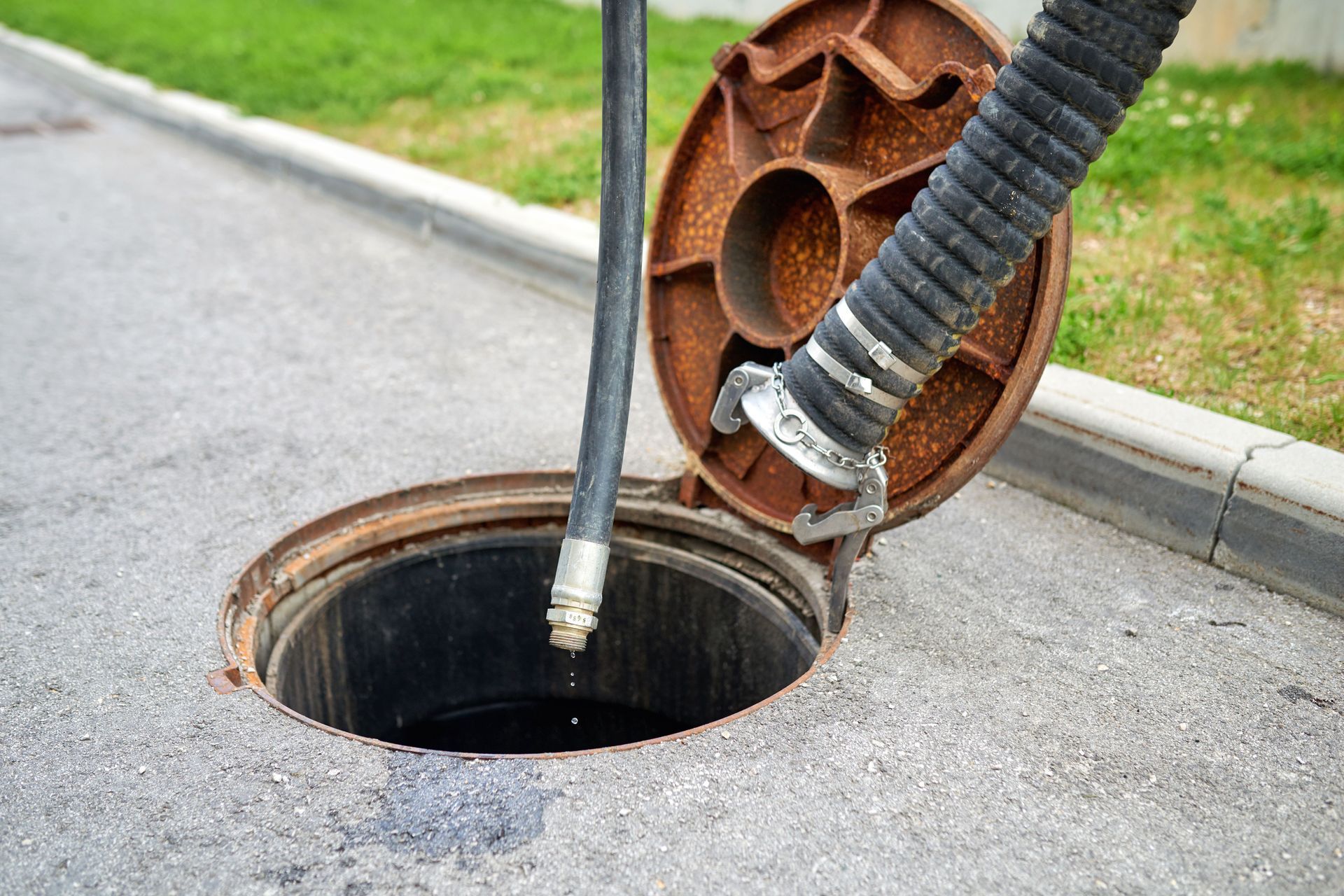
Most homes benefit from professional pumping every three to five years, according to our team, although this timeline may vary depending on household size and water usage. Working with professionals who offer local septic pumping ensures that your tank is properly cleaned and inspected during each visit. Regular maintenance helps prevent backups, keeps the system operating efficiently, and extends the lifespan of the entire septic system.
Monitor Household Water Usage
Excessive water usage is one of the most common causes of septic system strain. When too much water enters the system at once, the septic tank may not have enough time to properly separate solids and liquids. This can cause untreated wastewater to move into the drain field, which can eventually lead to system failure.
Homeowners can reduce stress on their septic systems by spreading out water usage throughout the day. Running multiple appliances such as washing machines, dishwashers, and showers simultaneously can overwhelm the system. Maintaining balanced water usage and scheduling routine local septic pumping helps ensure that the system continues functioning as intended.
Avoid Flushing Harmful Materials
What goes down your drains has a direct impact on the health of your septic system. Items such as wipes, paper towels, feminine hygiene products, grease, and harsh chemicals should never be flushed or poured into the system. These materials can clog pipes, disrupt bacterial balance, and create blockages within the septic tank.
Septic systems rely on beneficial bacteria to break down waste efficiently. When harmful substances enter the system, they can kill these bacteria and reduce the tank’s ability to process waste properly. Being mindful of what enters the system and scheduling routine local septic pumping can help maintain a healthy septic environment.
Protect the Drain Field Area
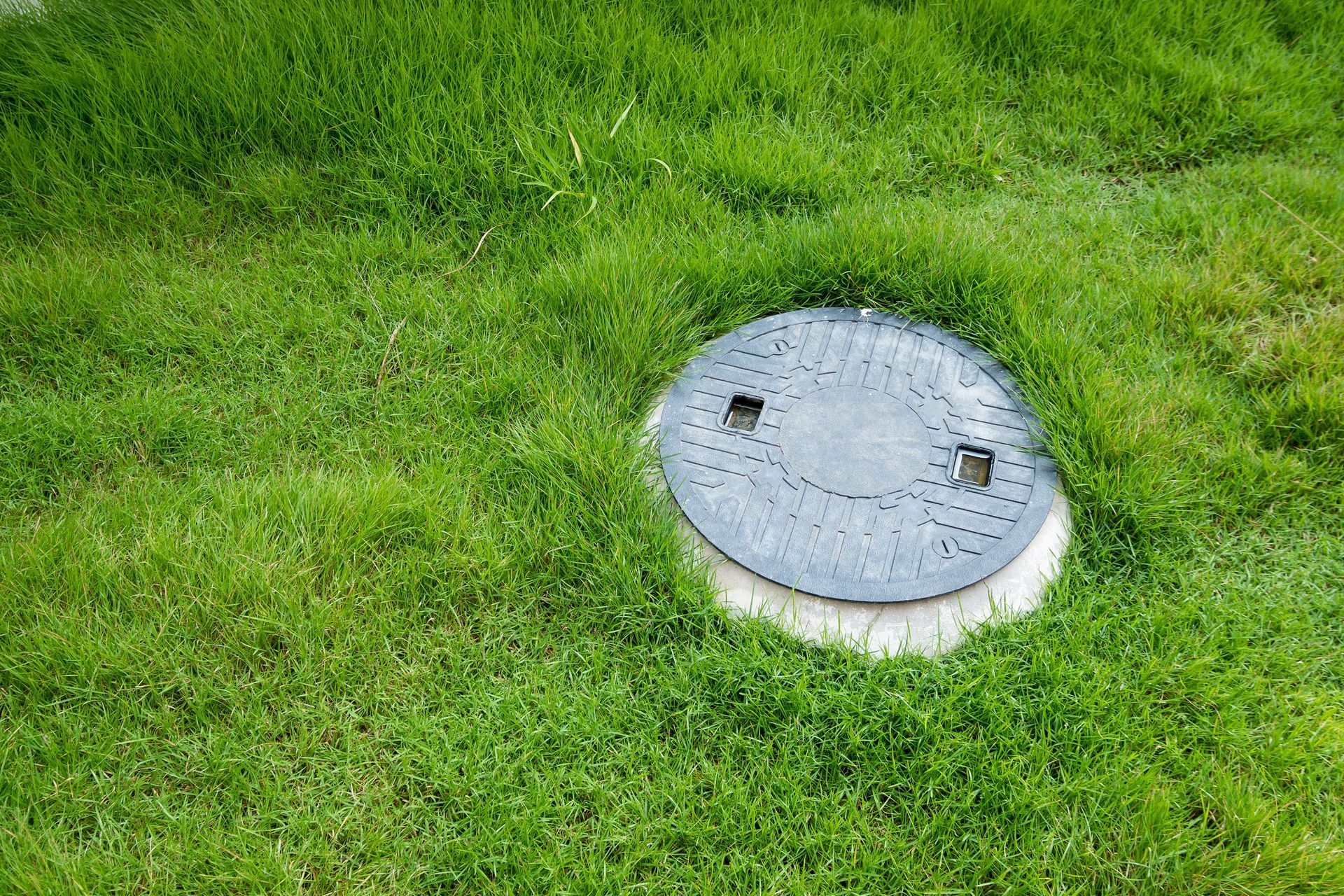
The drain field plays a critical role in filtering wastewater as it leaves the septic tank. This area allows treated water to slowly absorb into the surrounding soil while harmful contaminants are naturally filtered out. Protecting the drain field is essential for maintaining the effectiveness of the entire septic system.
Heavy vehicles, construction equipment, and excessive foot traffic should never be allowed on the drain field area. The weight can compact the soil and damage underground pipes, reducing the system’s ability to properly filter wastewater. Keeping the area clear and maintaining regular local septic pumping helps preserve the long-term functionality of the drain field.
Perform Routine Inspections
Routine inspections help identify potential septic issues before they become major problems. During an inspection, professionals evaluate the condition of the septic tank, pipes, and drain field to ensure everything is functioning properly. Catching early warning signs, such as minor leaks or blockages, can prevent expensive repairs later.
Many septic professionals recommend scheduling inspections every few years alongside local septic pumping services. Combining these maintenance steps allows technicians to monitor the system’s overall condition and make recommendations for any necessary repairs or adjustments. Proactive inspections can significantly extend the lifespan of your septic system.
Use Septic-Safe Household Products
Many household cleaning products contain chemicals that can interfere with the natural bacteria inside a septic tank. Using septic-safe cleaners and avoiding excessive chemical usage can help maintain the delicate balance needed for effective waste breakdown. Products labeled as septic-safe are designed to be less disruptive to the system’s natural processes.
Switching to gentler cleaning solutions and using them in moderation can make a noticeable difference in septic performance. When combined with proper maintenance practices such as regular local septic pumping, these small adjustments can help ensure your system continues functioning efficiently for many years.
Manage Landscaping Around the System
Landscaping choices can also impact the health of a septic system. Trees and large shrubs planted too close to septic tanks or drain fields can cause root intrusion. As roots search for moisture, they may grow into underground pipes and create blockages or structural damage.
Homeowners should plant trees and large vegetation well away from septic components to avoid these issues. Grass and shallow-rooted plants are generally the safest options for areas near the drain field. Maintaining proper landscaping and scheduling routine local septic pumping helps protect the infrastructure that supports your septic system.
Address Small Problems Quickly
Minor septic issues can quickly become serious if left unaddressed. Slow drains, gurgling pipes, or unpleasant odors may indicate that the system needs attention. Ignoring these early warning signs can lead to backups, drain field failure, or other expensive repairs.
Contacting professionals as soon as problems arise allows homeowners to resolve issues before they escalate. Regular maintenance visits that include local septic pumping also provide opportunities for technicians to identify potential concerns early. Taking quick action when problems appear can help extend the lifespan of your septic system.
Educate Household Members About Proper Use
Everyone living in the home plays a role in protecting the septic system. Teaching household members what should and should not go down the drains helps prevent accidental damage. Simple habits such as limiting grease disposal, avoiding excessive toilet paper, and spacing out water usage can make a significant difference.
When the entire household understands how the system works, it becomes easier to maintain good septic practices. Pairing responsible daily habits with professional services, such as local septic pumping, helps ensure the system continues functioning efficiently for many years.
Maintaining a septic system does not have to be complicated, but it does require consistent care and attention. Scheduling routine maintenance, protecting the drain field, monitoring water usage, and avoiding harmful materials are all key steps in extending the lifespan of your system. At Small Town Septic, our team is dedicated to helping homeowners protect their septic systems with reliable local septic pumping and professional maintenance services. If your system is due for service or inspection, contact our team today to keep your septic system operating smoothly for years to come.
Regular maintenance today can prevent costly septic emergencies in the future. Staying proactive with inspections and scheduling local septic pumping when needed helps homeowners avoid unexpected repairs and system failures. A little preventative care goes a long way in protecting both your property and the long-term performance of your septic system. Our team is standing by to answer any questions you may have about our services. We look forward to working with you soon!